Lochs, springs & open water
Cold water
Scotland's lochs and springs are my reset button. Cold water asks one thing of you: control your breath. Everything else follows.
SOMA Breath · Stirling & online
I'm Jason. I teach SOMA Breath to people who want a calmer mind and a steadier body. I know how heavy things can get, because I've been there.
Five seconds in through the nose, five seconds out. The pattern I use three times a day.
Why "two by two"
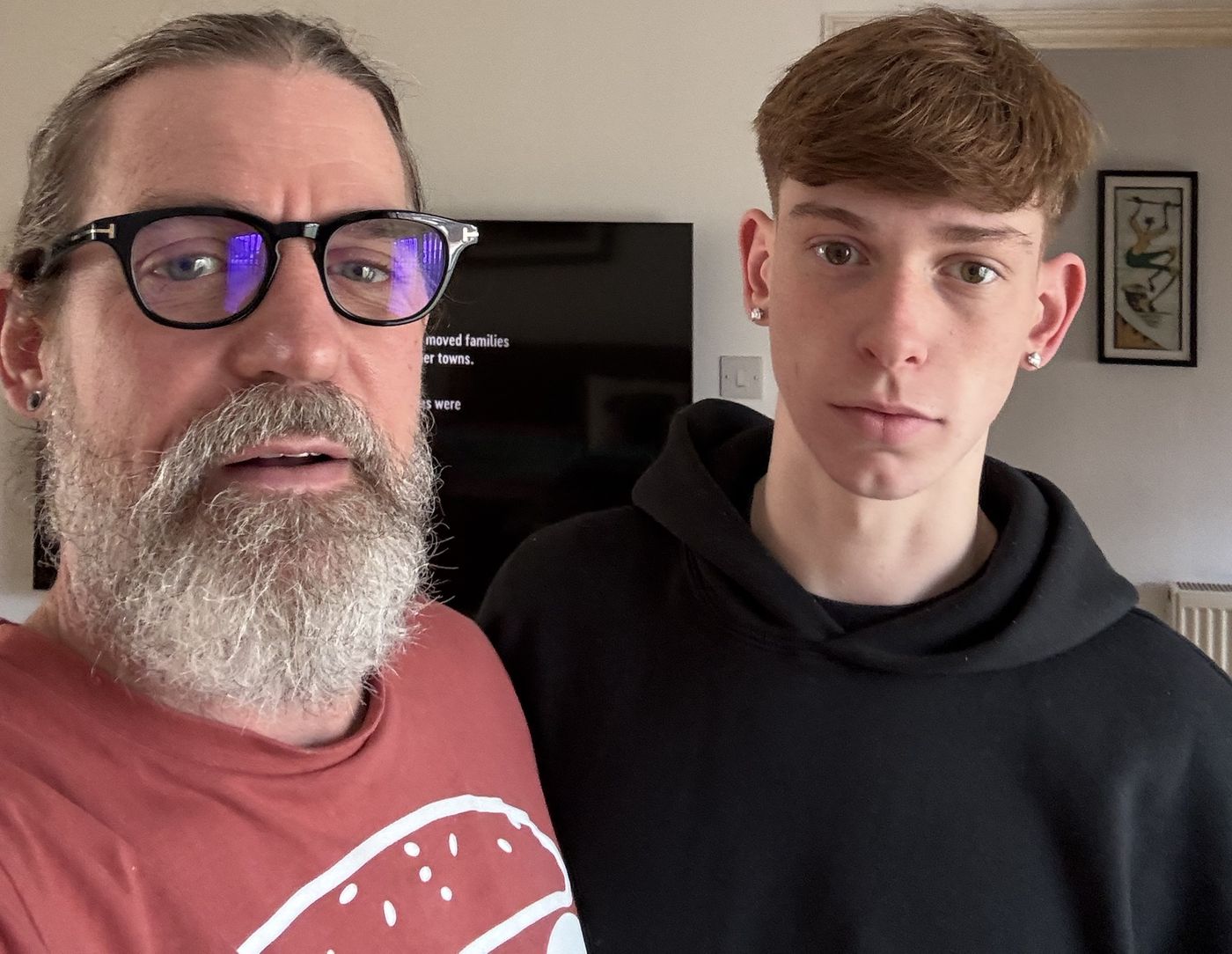
My son Nathan and I have walked through a lot side by side. When I bought this domain, the name was obvious. Two by two is how we've done life.
It's also how breath works. One breath in, one breath out. Two halves of the same rhythm, and when you learn to work with both, things begin to settle.
About Jason
I was born in Zambia and I've made my home in Stirling. For around twenty years I've worked in IT, keeping complicated systems running when everyone needed them.
I've also lived with my own mental health struggles. I'm not going to dress that up. Breathwork didn't fix everything, but it gave me something I could do, every day, that worked. Learning to slow my breath helped me stop reacting and start responding.
In the culture I grew up in, mental health is rarely talked about. My family come from a generation that was taught to push through, keep quiet and trust that tomorrow will be better. I understand where that comes from. But mental illness doesn't work that way, and it meant I went through my hardest years without the support I'd hoped for from home. With them in Zambia and me in Scotland, the distance made it harder still. For a long time I kept reaching out, and in the end I had to accept that the support I needed would have to come from elsewhere.
What got me through was a small circle of people who kept showing up, again and again:
Some of them are here in Scotland and some are thousands of miles away, but they all did the simplest thing. They picked up the phone, they checked in, and they listened. It doesn't cost much, and it made all the difference. I wouldn't be here doing this without them.
If you're dealing with this without much support around you, I understand. You won't have to explain it to me.
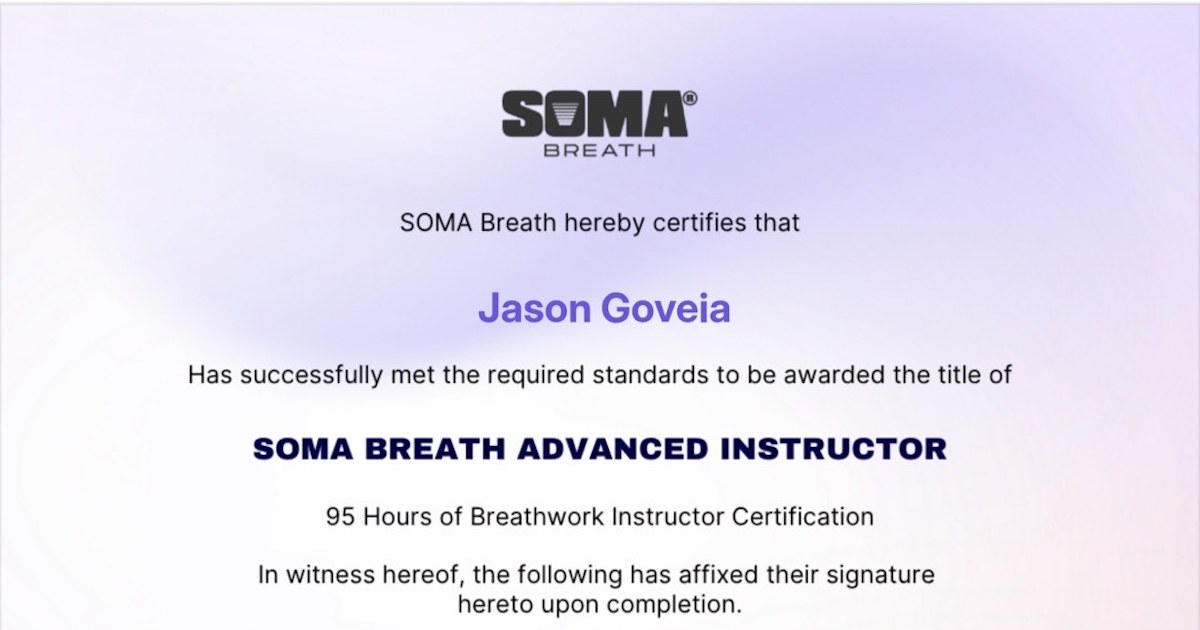
I trained as a SOMA Breath Advanced Instructor, completing 95 hours of breathwork instructor certification, so I could pass that on. You won't get a guru from me. You'll get someone who has sat where you're sitting and found a way to breathe through it.
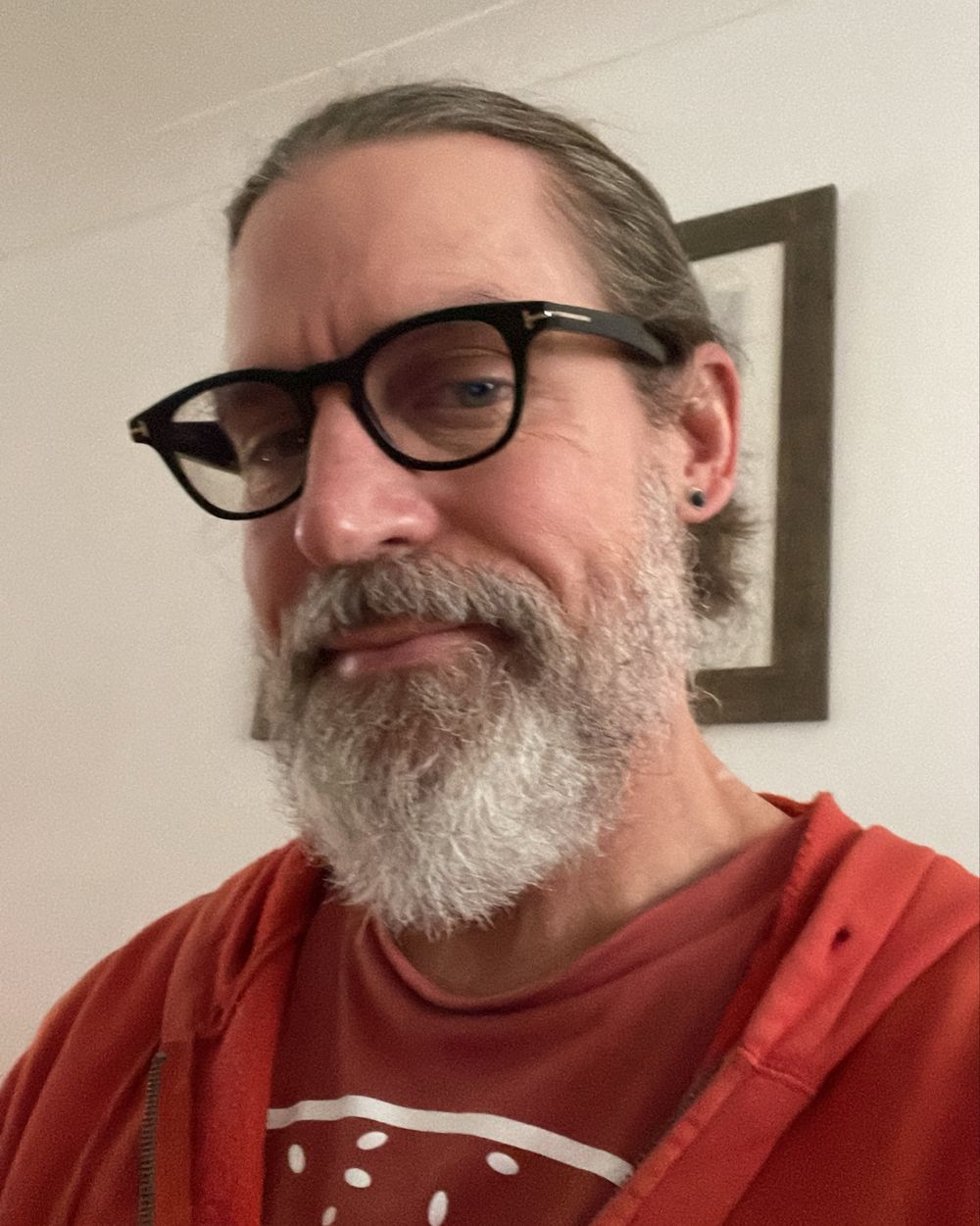
Copper country. The warmth and the colour of home are all through this site.
Stirling, the hills, and the long walks with Max.
Fixing systems under pressure taught me patience, and how much stress a body can carry.
Mental health that needed real attention, and a search for tools that actually helped.
A daily practice first. Then SOMA Breath, and 95 hours of training to qualify as an Advanced Instructor.
My own practice
Breath sits at the centre, but it isn't the only thing I do. These are the practices I keep coming back to.
Lochs, springs & open water
Scotland's lochs and springs are my reset button. Cold water asks one thing of you: control your breath. Everything else follows.
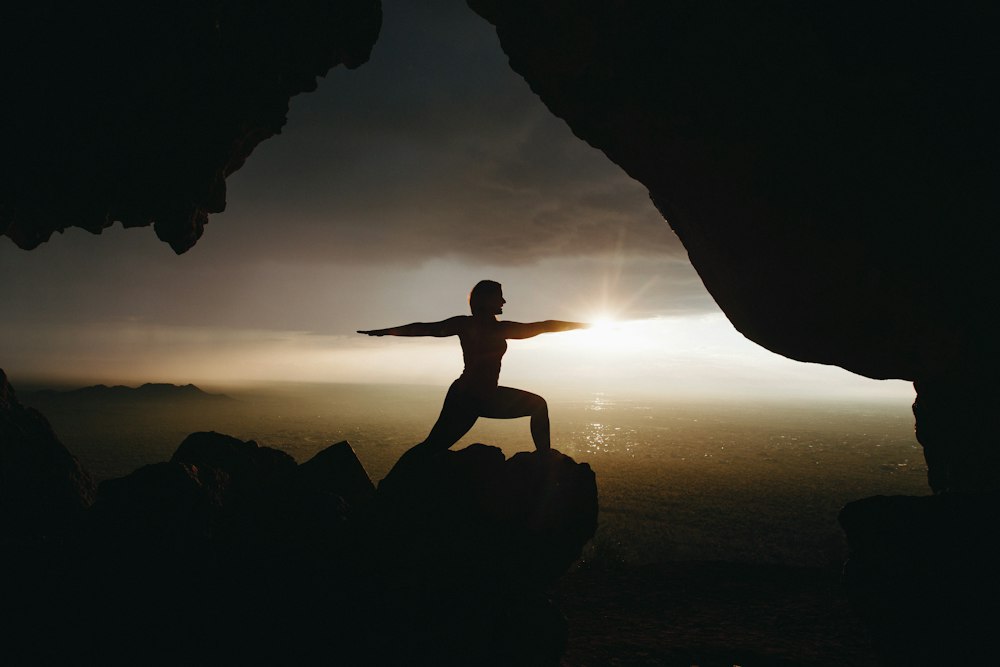
Movement and breath together. It keeps my body open and my head quiet.
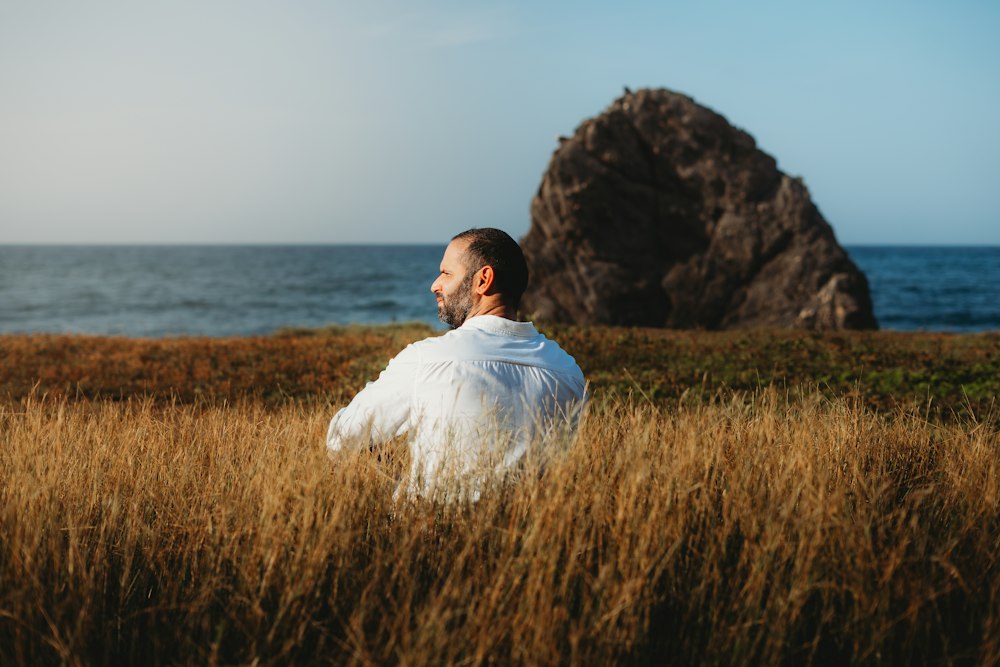
Twenty quiet minutes that settle the mind deeper than anything else I've tried.
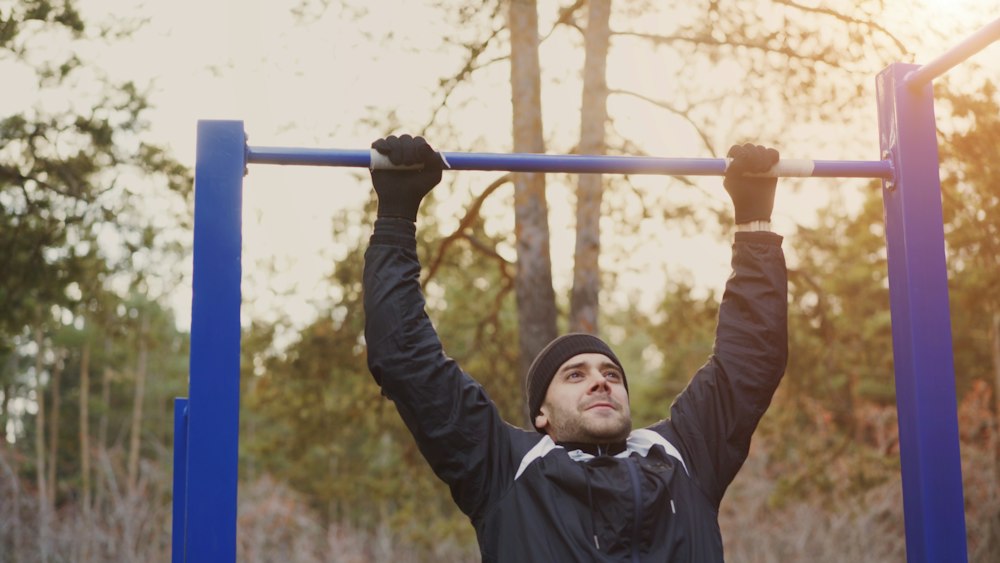
Bodyweight strength. Pull-ups, push-ups and patience, and a reminder that steady progress beats quick fixes.
Practice photos from Unsplash.
What is SOMA Breath?
SOMA Breath blends ancient breathing practice with modern understanding of the body. You breathe in rhythm to music, hold the breath gently, and drop into a deep, quiet meditation.
Breathing to a steady beat brings your nervous system into an even rhythm. Most people feel calmer within minutes.
Short, comfortable retentions build resilience and calm. I guide every hold, and you always go at your own pace.
Each session ends in a guided meditation. It's a chance to rest properly, often for the first time in a while.
Tips & tricks
Simple habits for a calmer mind, steadier goals and being present. Pick one and start today.
Tip of the day
Breathe through your nose
Your nose filters and warms the air and naturally slows each breath. Keep the mouth closed unless a practice asks otherwise.
Your nose filters and warms the air and naturally slows each breath. Keep the mouth closed unless a practice asks otherwise.
Rest a hand on your stomach. Let it rise as you breathe in and fall as you breathe out, with your shoulders staying soft.
Five seconds in, five seconds out. This slow rhythm is linked with a calmer heart rate and better heart rate variability.
Try four in and six out. A long, unhurried exhale is one of the quickest ways to tell your body it's safe to settle.
Five minutes a day does more than an hour once a month. In a Stanford study, five daily minutes of exhale-focused breathing lifted mood within a month.
Breathe for two minutes after brushing your teeth, before opening your phone, or when the kettle goes on. Habits stick to habits.
Feeling wound up? Take a full breath in through the nose, a short top-up sip, then a long sigh out through the mouth. One to three rounds.
Counting gives the mind a job. When it wanders, and it will, notice, let the thought go and return to the count. That return is the practice.
Breathwork should feel comfortable. If you get dizzy or anxious, stop, breathe normally and go gentler next time.
Before you start, choose one aim: calm, focus or sleep. Afterwards, notice how you feel. Seeing the difference keeps you coming back.
An honest note from me
These practices help. They don't fix severe mental illness. I live with CPTSD, anxiety and depression myself. Breathwork, meditation, yoga and cold water help me stay present on the journey, but they work alongside professional support, not instead of it.
If you're living with serious mental health conditions, use these tools together with a trained psychologist, psychiatrist or your GP. Keep both in your life.
These tips are for general wellbeing, not medical advice. Never practise breath holds in water or while driving, and see the safety notes below if you have a health condition.
Sessions
No experience needed. Wear something comfortable, and bring an open mind.
A session built around you. We talk about what's going on, then breathe together at a pace that feels right.
Breathing in a room with others is something special. A relaxed, friendly group session with music and meditation.
I've spent twenty years in busy, high-pressure workplaces. I bring short, practical breath sessions to teams who need them.
Not sure where to start? Book a free 15-minute chat. We'll talk through what you're hoping for, and whether breathwork is right for you right now.
Book a free chatBook online
Pay securely, pick a time that suits you, and your Zoom link arrives by email straight away.
Online SOMA Breath session
£4560 minutes · Zoom
Payments are handled by Stripe. I never see your card details.
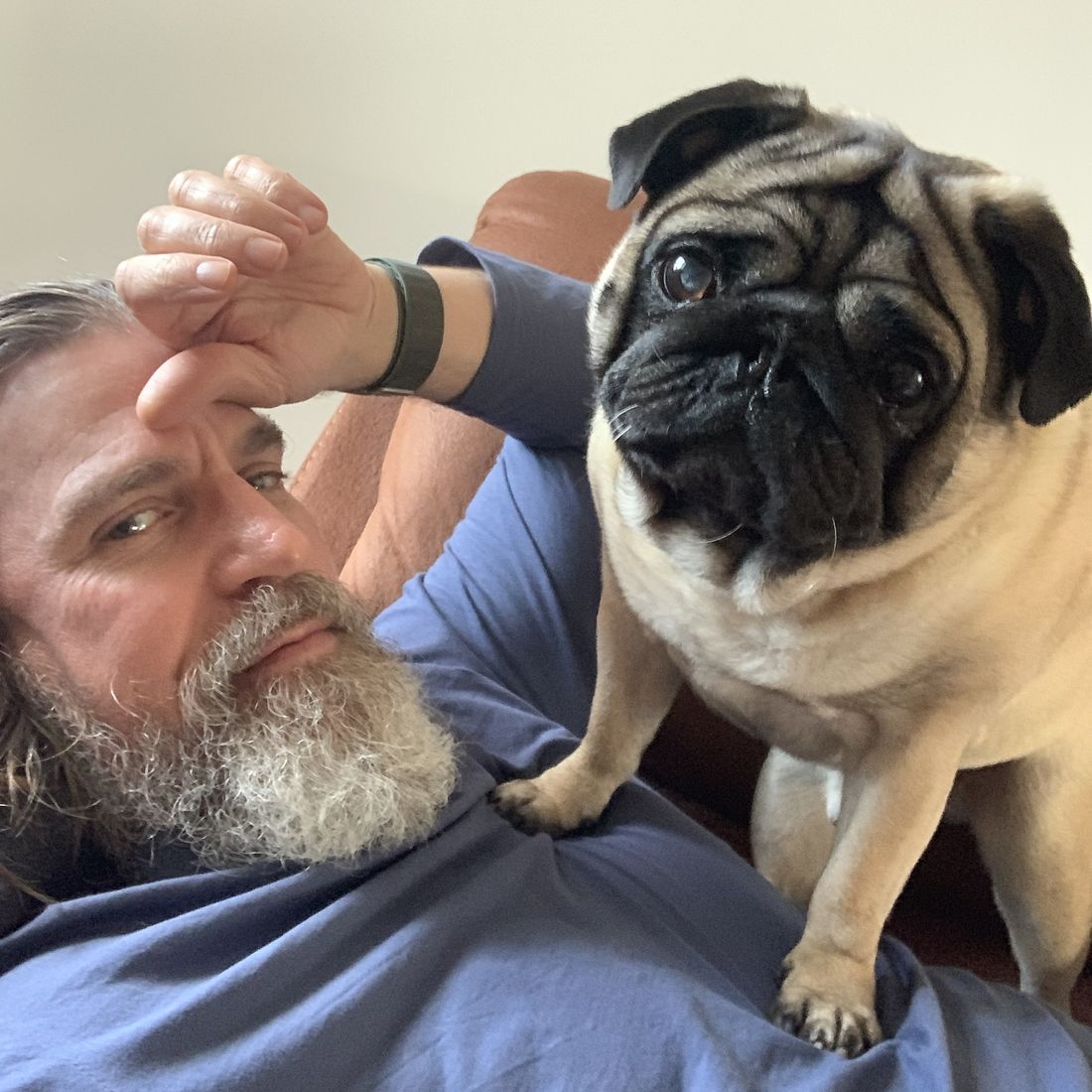
Head of relaxation
Max is my pug, and he is a master of deep, slow breathing, mostly while asleep. He's blind, so he takes the world one sound and one sniff at a time.
He has taught me more about patience and calm than any course. If you see a snoring pug at a session, that's him supervising.
He's also my daily dose of serotonin and dopamine. Whenever I'm feeling low, sad or flat, Max is there to pick me up, usually by demanding a cuddle or a walk. If you're living with low mood, don't underestimate what a pet can do. A dog gets you outside, gives your day a rhythm and loves you without conditions. Some days, that's exactly what you need.
Breathing safely
Breathwork supports your mental health. It doesn't replace treatment. If you live with conditions such as CPTSD, anxiety disorders or depression, keep working with your psychologist, psychiatrist or GP alongside your practice.
If you're in crisis, contact your GP, call NHS 24 on 111, or call Samaritans free on 116 123.
Questions
None at all. I guide every step, and you can stop or slow down whenever you like.
Comfortable clothes and a water bottle. For online sessions, a quiet space where you can lie down, plus headphones if you have them.
No. SOMA Breath is gentler and rhythm-led, breathing to music with comfortable holds and a long guided meditation.
Most people feel calm, warm and clear-headed. Some feel tingling in the hands or a wave of emotion. Both are normal, and I'll talk you through it.
Both work well. In person is lovely for groups. Online means you can breathe from your own living room.
Get in touch
Send me a note about what you're looking for. I'll reply personally with times and prices.
hello@twobytwo.me